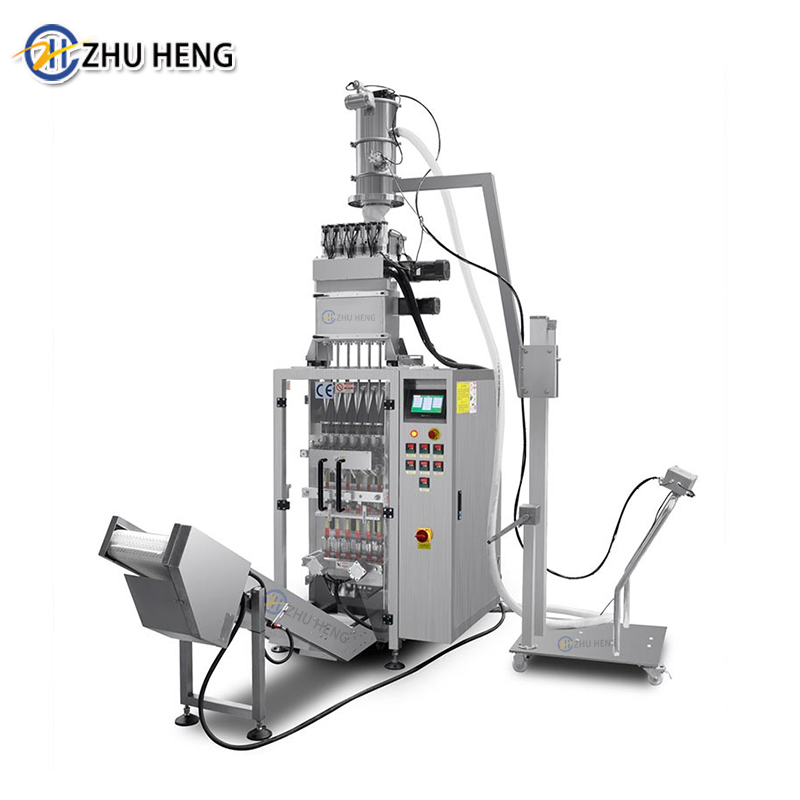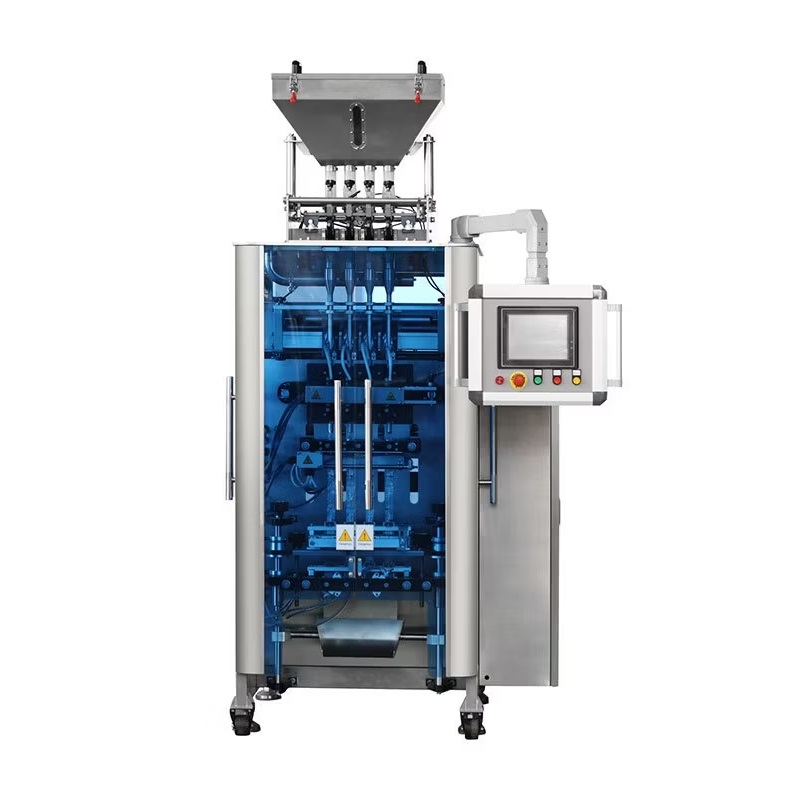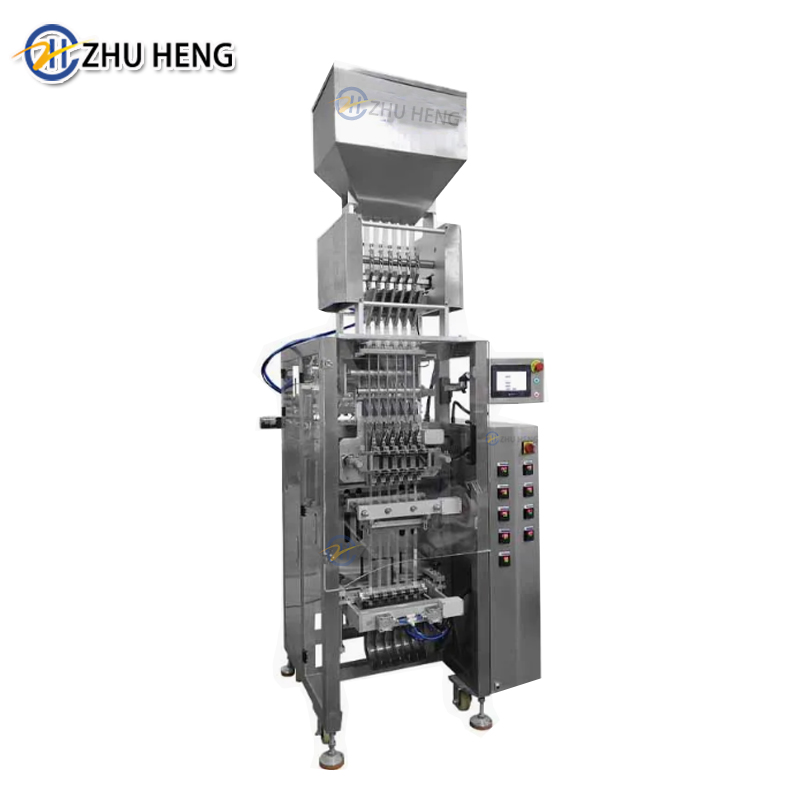
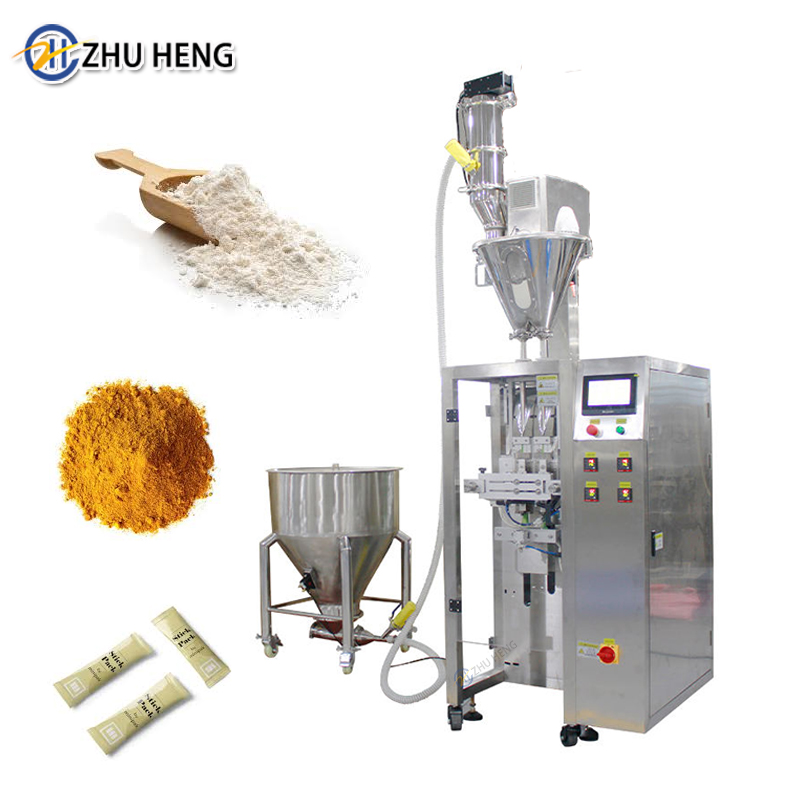
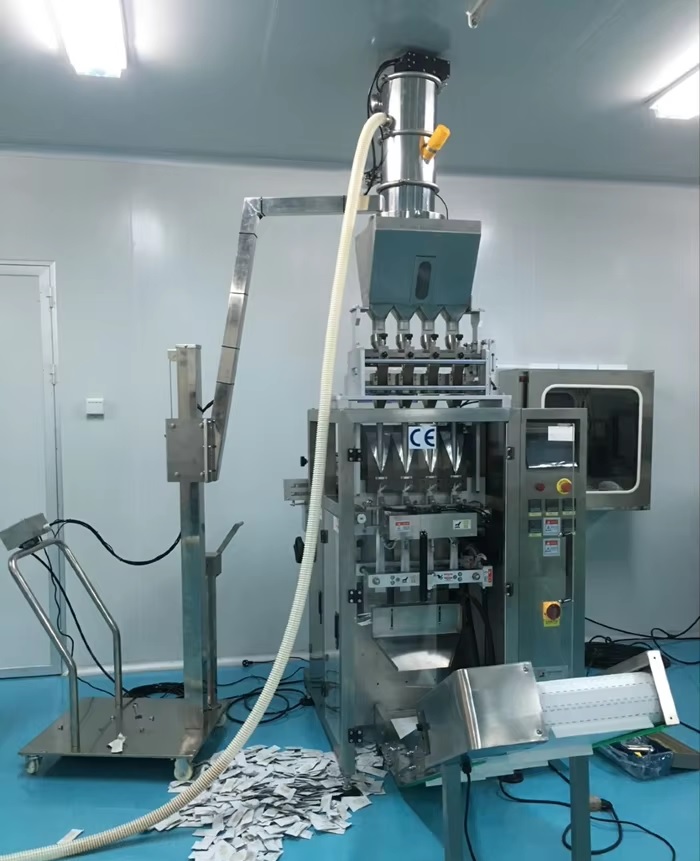
In industries such as food and pharmaceuticals, Multi-lane Packaging Machine plays a crucial role in production.
Advantages of Multi-Lane Packing Machines
The multi-lane packing machine offers numerous advantages over traditional single-lane machines, making it a preferred choice in high-demand industries. Here are some key benefits:
1. Increased Efficiency
By operating multiple lanes simultaneously, these machines significantly boost the production rate. This capability is especially valuable in industries where high output is essential.
2. Versatility
Multi-lane packing machines are versatile and can handle a wide range of products, including powders, granules, liquids, and solids. They can also accommodate various packaging materials such as plastic, foil, and paper.
3. Precision and Consistency
Advanced multi-lane packing machines come with precise control mechanisms that ensure consistent filling and sealing. This precision minimizes waste and ensures that each package meets the required standards.
4. Space and Cost Efficiency
Despite their high output, multi-lane packing machines are often more compact than their single-lane counterparts. This compact design saves valuable floor space in production facilities. Additionally, the increased efficiency translates to lower labor and operational costs.
I. Composition and Functions of Multi-lane Packaging Equipment
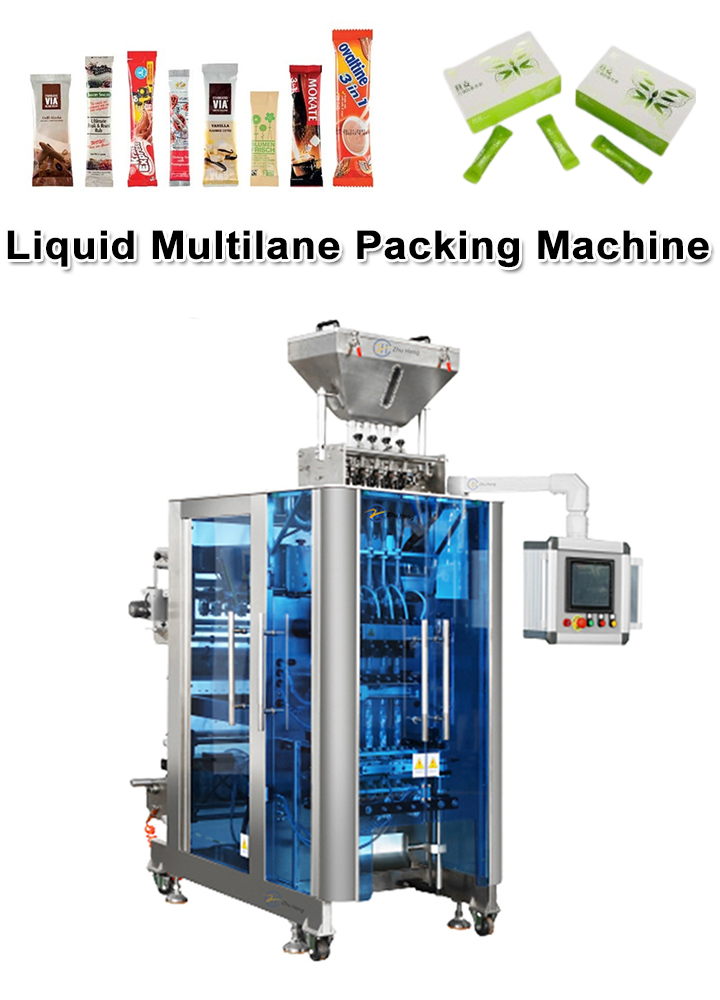
Multi-lane packaging equipment is highly automated and mainly consists of the following parts:
Feeding System: Responsible for delivering materials to be packaged into the machine, usually including conveyors and distributors.
Metering System: Used to accurately measure the weight or quantity of materials, ensuring consistency in each packaging unit.
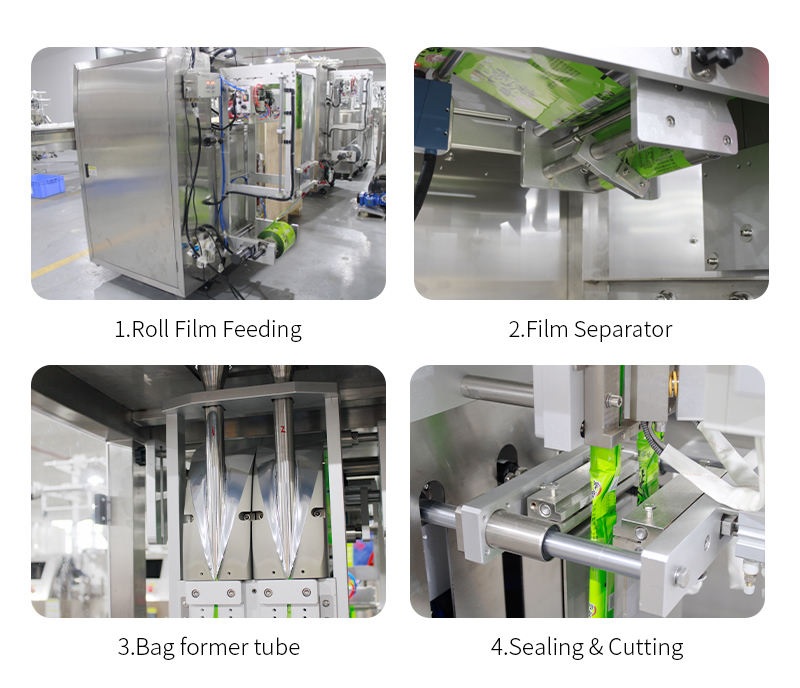
Bagging System: Includes formers and sealers, used to produce packaging bags and fill materials into them.
Control System: Composed of PLC and sensors, controls the entire packaging process.
Discharge System: Finished packaged products are conveyed out of the machine via the discharge system.
II. Workflow and Operation Steps of Multi-lane Packaging Equipment
The workflow of multi-lane packaging equipment can be summarized in the following steps:
Startup: Operators start the machine via the control panel and set relevant parameters such as packaging speed and material weight.
Feeding: The feeding system delivers materials to the metering system for accurate measurement.
Bagging and Filling: The bagging system produces packaging bags of predetermined sizes while the metered materials are filled into the bags.
Sealing: Sealing mechanisms seal the bags containing materials to ensure packaging integrity.
Discharge: Finished packaged products are discharged from the machine through the discharge system for further processing or storage.
Monitoring and Adjustment: Throughout the process, the control system monitors the working status of each component in real time and makes adjustments as necessary.

III. Safety Precautions for Multi-lane Packaging Equipment
Safety is paramount when using multi-lane packaging equipment. Here are some important safety precautions:
Location of Emergency Stop Button: The emergency stop button is typically located conspicuously on the control panel, allowing operators to quickly stop the machine in emergencies.
Emergency Fault Handling: In case of a malfunction, operators should immediately press the emergency stop button and then follow relevant instructions for fault diagnosis and handling.
Regular Maintenance: Regular maintenance checks are essential to ensure the normal operation and service life of the machine.

While multi-lane packaging equipment achieves automated packaging goals through precise composition and efficient workflow, safety always takes precedence. Correct operational procedures and timely fault handling are key to ensuring smooth production.